Could a new contender quietly take root for its roles in biomass production. Data from a new study in Germany seems to think so. For years, in many countries maize has been the steadfast workhorse of bioenergy, feeding digesters and fuelling the renewable energy drives. But its once-reliable yields falter when you consider soil exhaustion and nutrient losses that leach into rivers and streams.

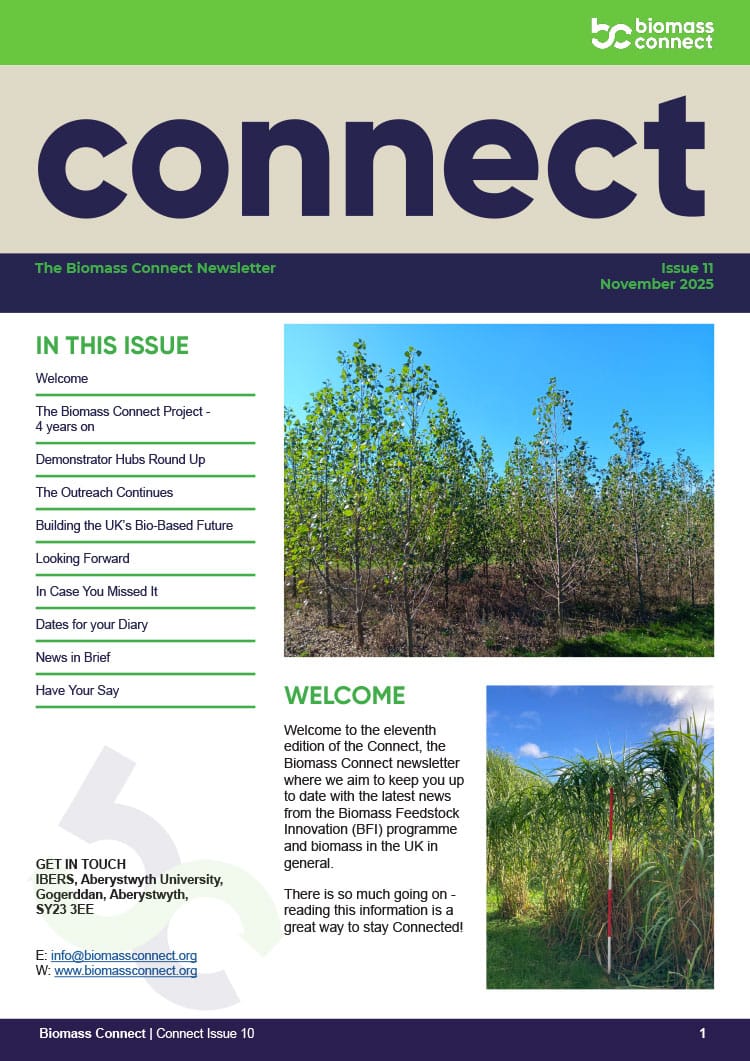
Cup plant (Silphium perfoliatum)
Enter Silphium perfoliatum, the cup plant — a hardy perennial with a thirst for sunlight and a talent for holding on to nitrogen that maize can’t match. Over four years, researchers watched it thrive in both drought and rain, building not only lush green shoots but also a vast network of roots that anchored the soil and trapped nutrients where they belonged.
While maize struggled, the cup plant’s biomass soared — in some years increasing more than tenfold — and beneath the surface, it performed a quiet miracle: reducing nitrate leaching by up to 99%. Microbial activity flourished, soil health improved, and the land began to recover — a crop that feeds the grid without draining the ground. One key finding was the suggestion that combining maize and cup plant in the first year could help with providing the benefits of maize during the initial period when the cup plant is still establishing.
To learn more about the cup plant as a biomass crop, visit our crop information page.