Cockle Park Farm, Northumberland (Newcastle University)
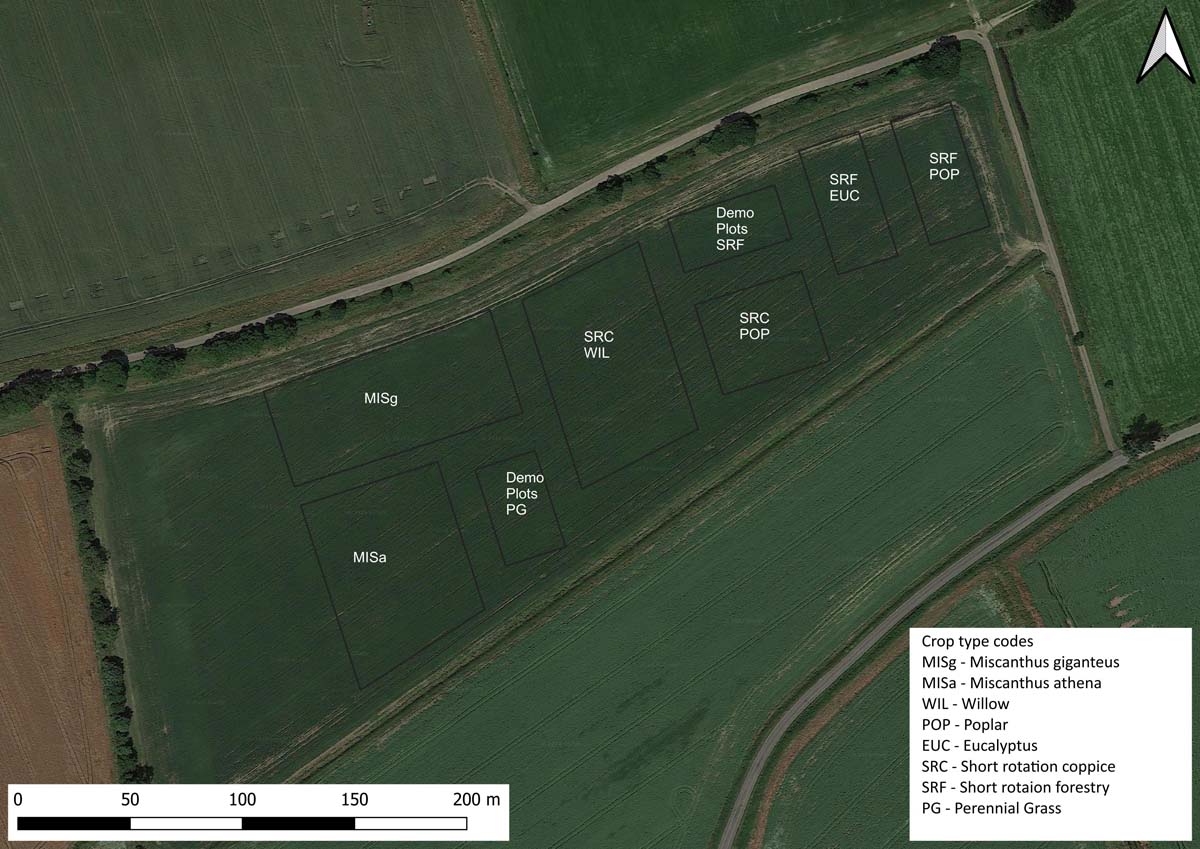
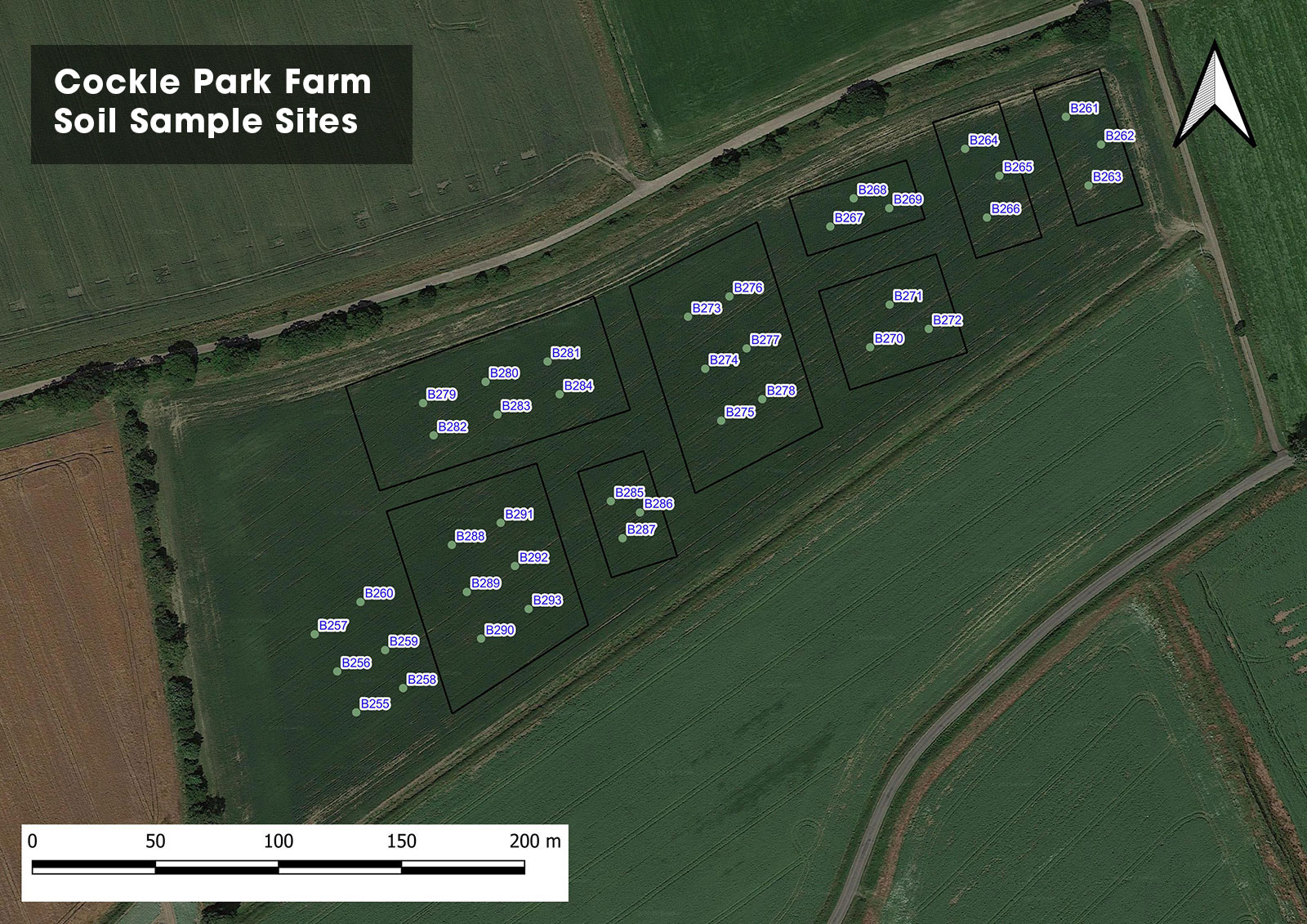
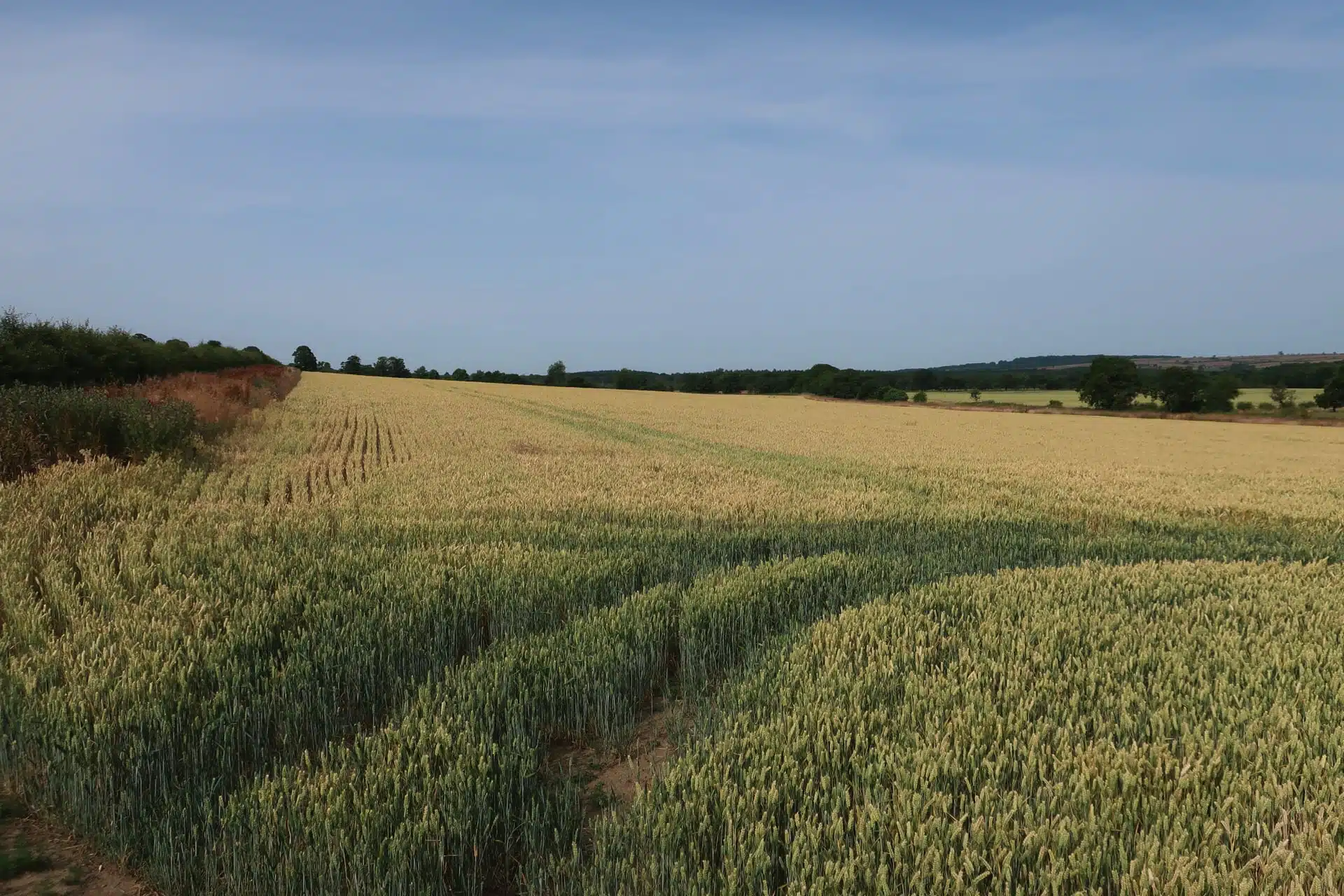
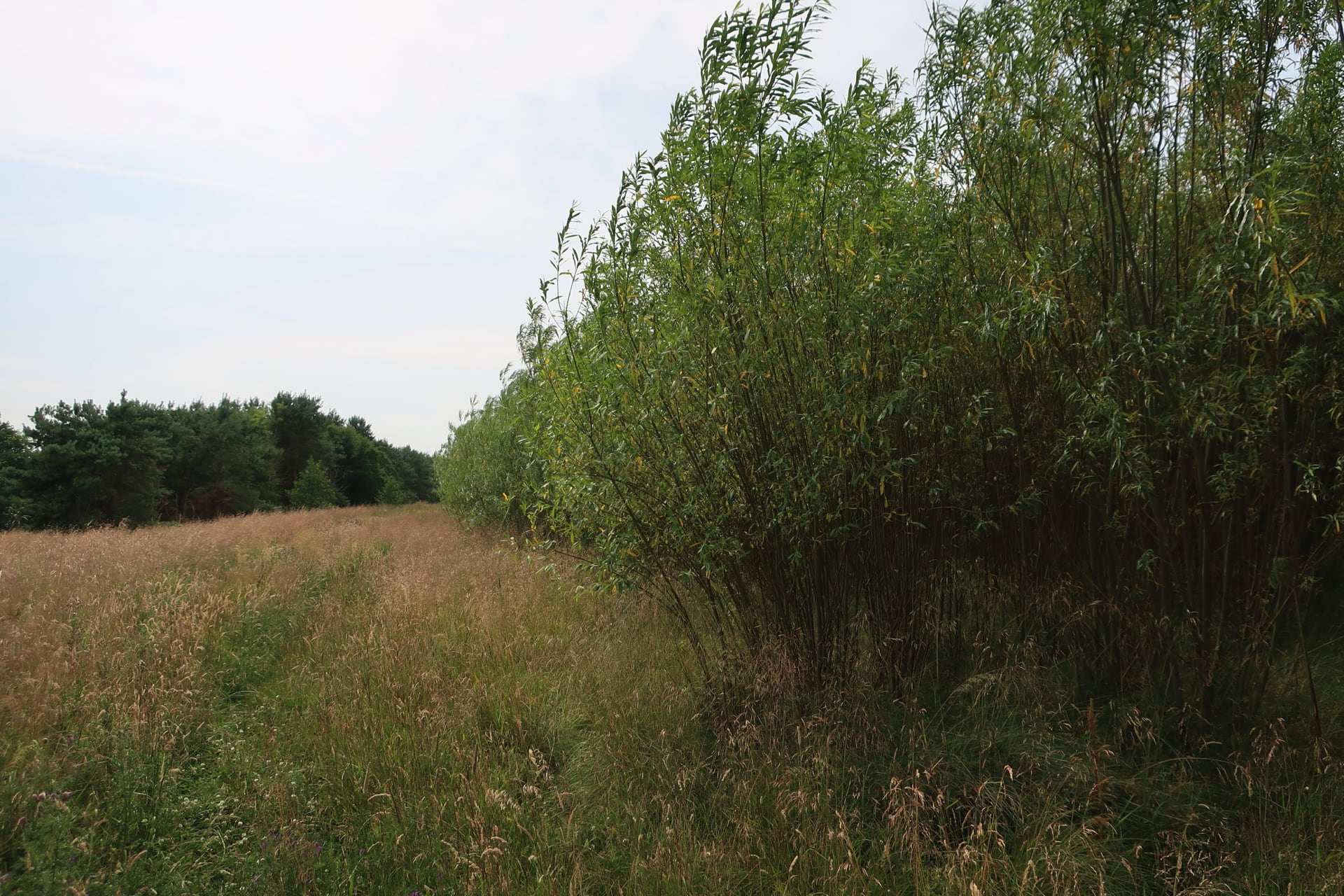
Open exposure, sheltered by a hedged treeline on western boundary and hedges to south and east. North facing aspect, gently sloping south to north and east to west. Soil is Luvic Stagnosols with Miscanthus and SRC willow planted in spring 2023. The plans below show the layout of the trial plots at the Cockle Park Farm hub site and the updates will keep you informed of their progress and performance throughout the trials.
Address
Cockle Park Farm, Newcastle University, Morpeth, Northumberland, NE61 3EA.
Open, sheltered by a hedged treeline on Western Boundary and hedged boundaries to South and East.
Topography
Gently sloping South to North and East to West.
Aspect
North facing.
Soil type
Luvic Stagnosols of the Dunkeswick and Hallsworth Series.
Previous vegetation coverage
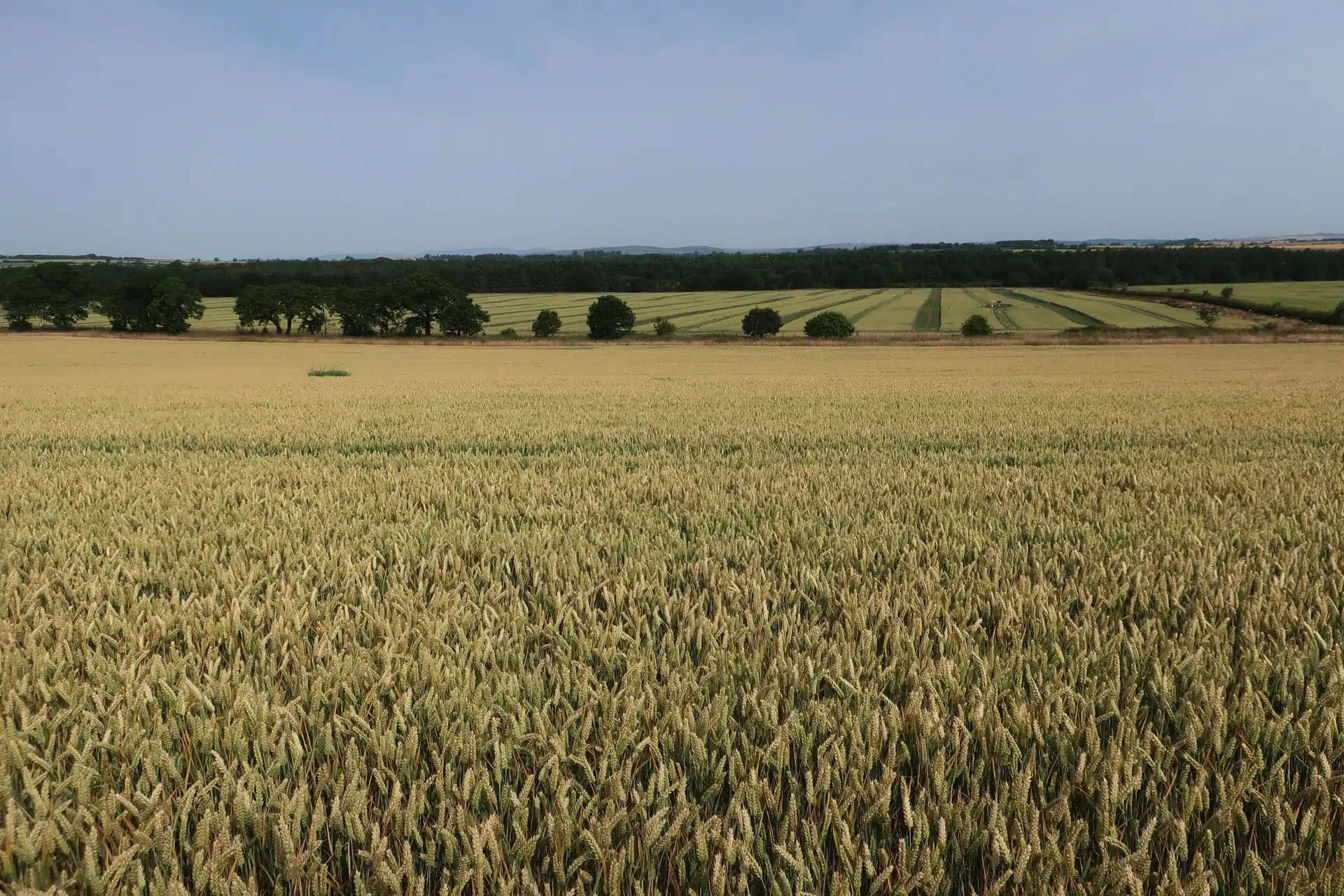
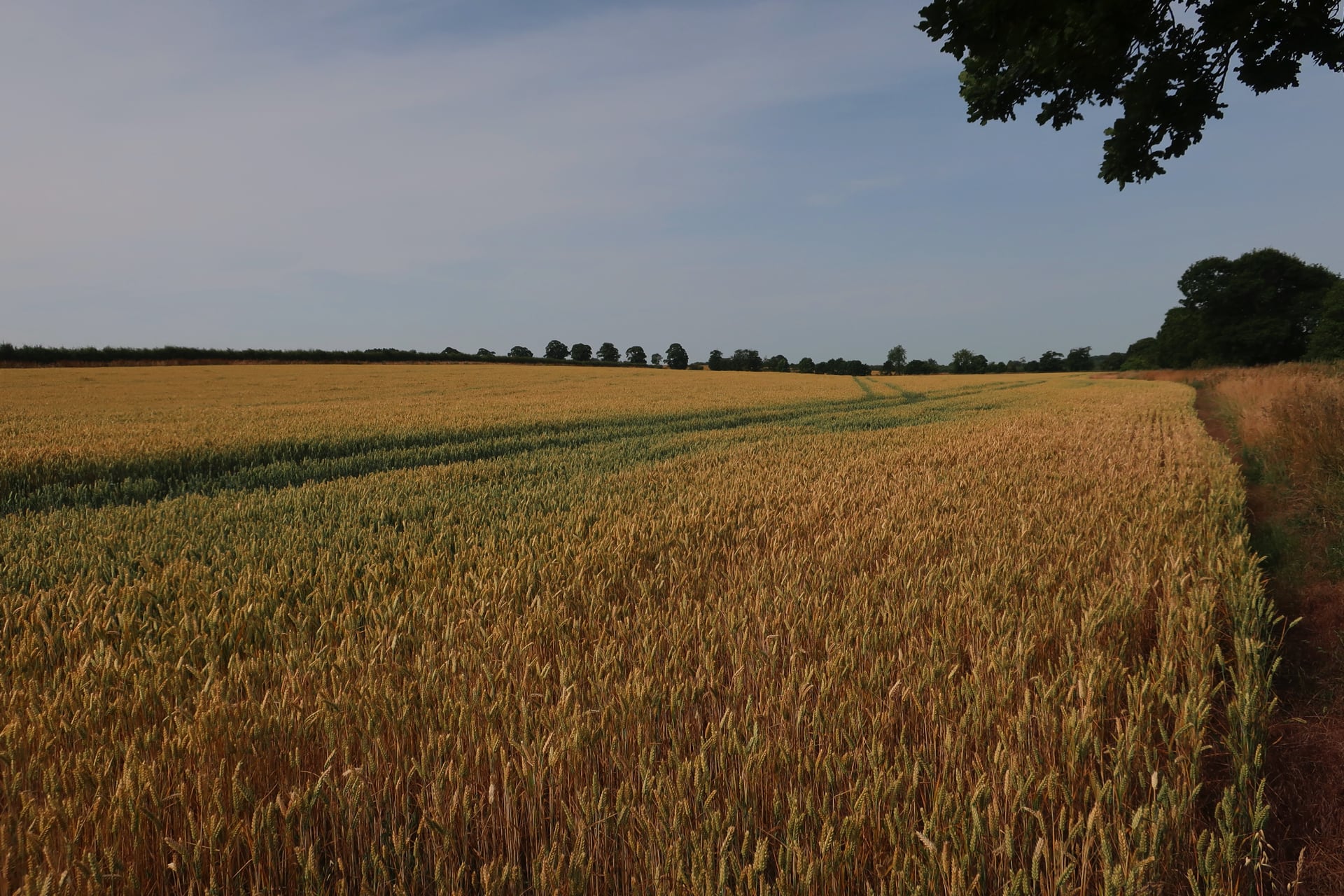
Winter wheat.
Other relevant site info
Weather Data – Recorded On Site
The weather data presented here are direct from the sensors on the weather station. The data have not been checked and may be inaccurate and reprocessed in the future. Gaps may appear in the data due to issues such as failed sensors, corrupted data-logger programs and low power system voltages at the weather stations. The Biomass Connect project assumes no responsibility for the data presented or for any loss which may arise (directly or indirectly) from reliance on the data.
Miscanthus giganteus (~0.5 ha) – planted 25th May 2023
Miscanthus ‘Athena’ (~0.5 ha) – planted 20th May 2024
SRC poplar (0.137 ha) – planted 4th May 2023
SRF poplar (0.125 ha) – planted 3rd May 2023 and 13th June 2024
SRF Eucalyptus (0.114 ha) – planted 3rd May 2023
SRF alder (0.028 ha) – planted 3rd May 2023
Black locust Turbo (0.034 ha) – planted 3rd May 2023
Black locust Turbo Obelisk (0.031 ha) – planted 10th April 2024
Reed canary grass 10 m x 25m 0.025ha – planted 8th May 2024
Switchgrass (upland ecotype) 10 m x 25m 0.025ha – planted 8th May 2023
Silphium – planted 9th May 2024
Sida – planted 4th June 2024
Planting goals/aim
Evaluate the performance of the biomass crops, including feedstock performance, agronomy, plant establishment and growth, disease and pest incidence, and economic costs.
Agronomic dates (planting, harvesting schedule)
Planting in spring 2023, harvesting of Miscanthus in winter 2023 and winter 2024.
Management methodology (spray off, nutrient additions, ploughing, site prep, others)
Wheat cover crop established (direct drilled) autumn 2022. Will be sprayed off and nutrients applied as per any soil test results. Prep pre biomass planting – plough, cultivate, plant
Post biomass planting – grass margins between plots.
Machinery to be used
Relevant kit for above operations!
Project plans/actions
Which biomass crops
Miscanthus; willow; Eucalyptus; poplar; grasses.
Planting goals/aim
Various species for trial and demonstration.
Agronomic dates (planting, harvesting schedule)
Starting spring 2023.
Management methodology (spray off, nutrient additions, ploughing, site prep, others)
Primary cultivation = plough.
Secondary cultivation = power harrow.
Autumn/winter 22/23 = winter wheat cover crop on selected plots.
Machinery to be used
TBD
General Info
Field management history
Arable field growing combinable crops,
Historic WW, SO, SB, WOSR, WB.
Other site detail of note
To the south of the site is 18ha of Willow/Poplar Agroforestry currently in an arable rotation.
November brought a clear shift into winter across the Biomass Connect sites, with widespread senescence observed in most crops. Storm events during the month (including Storm Claudia) caused localised wind damage, particularly to taller crops and previously weakened trees, though most sites reported minimal long-term impact. Pest pressures remained low overall, though hare and badger activity was noted at some hubs. Phenotyping of Miscanthus and woody crops continued at several sites, and preparations for winter maintenance and early spring actions are underway
October marked a clear transition into autumn across the Biomass Connect sites, with widespread senescence observed in most crops. Storm events early in the month (notably Storm Amy and Benjamin) caused localised wind damage, particularly to taller crops and weaker trees, though most sites reported minimal long-term impact. Pest pressures were low overall, with only isolated aphid clusters and insect activity noted. Phenotyping of Miscanthus and woody crops was carried out at multiple sites, providing valuable data on growth and senescence patterns.
September marked the transition into autumn across the Biomass Connect sites, with many crops beginning to show signs of senescence while maintaining good overall health.
August brought a mix of warm, dry spells and a few violent storms across the network, producing a clear split between robust growth in some crops and drought- or wind-driven stress in others. Management this month focused on routine tidy-ups and targeted interventions where pests, wildlife or weather had caused damage. Several sites also prepared for autumn respray/mowing programmes for underperforming grass plots.
July brought classic “grow and mow” conditions across the network—regular rain, warm spells and plenty of canopy push—so most plots moved on well while teams focused on tidy‑ups and close pest monitoring.
With the growing season now in full swing, biomass crops across the UK are showing strong progress — despite being one of the driest and sunniest months of May on record. From willow leafing up and Miscanthus shoots reaching knee-height, to poplars, Eucalypts, and alders putting on good height, activity has been brisk at every Demonstrator Hub.
With the growing season now in full swing, biomass crops across the UK are showing strong progress — despite being one of the driest and sunniest months of May on record. From willow leafing up and Miscanthus shoots reaching knee-height, to poplars, Eucalypts, and alders putting on good height, activity has been brisk at every Demonstrator Hub.
With longer days and rising temperatures, April marked a clear transition into the growing season at the Biomass Connect Demonstrator Hubs. Across the UK, signs of spring have been unmistakable — leaves have emerged, new shoots are appearing, and variety trials are showing steady progress.
As spring begins to take hold, the Biomass Connect Demonstrator Hubs across the UK have been busy monitoring plant development, preparing plots, and carrying out essential early-season management.
As winter transitions into spring, activity across the Biomass Connect demonstrator hubs has been steadily progressing. Despite challenging weather conditions—marked by cold temperatures, frosts, and heavy rainfall—our teams have been actively managing crop health, conducting harvests, and preparing for the upcoming growing season.
The past few months have presented a mix of challenges and progress across the Biomass Connect Demonstrator Hubs. Harsh winter conditions, including prolonged periods of frost, heavy rainfall, and multiple storms—most notably Storm Éowyn—have tested the resilience of crops.
"This firmed up Tim’s view that the Biomass Connect hub sites are “world class” and “world leading”. I think we all had a smile on our faces when he said that."
The Biomass Connect Demonstrator Hubs across the UK have shown varying progress as winter approaches, reflecting both the resilience of certain crops and regional differences in weather conditions. Across the sites, senescence is a dominant theme, with many perennial crops entering dormancy while some continue to show growth in favourable conditions.
In this presentation given at the Biomass Connect Showcase on 7th November 2024, Jeanette Whitaker (UKCEH) provides an overview of Biomass Connect and the various Biomass Feedstock Innovation projects, showing how their innovations are helping to shape the future of the biomass sector in the UK.
At Cockle Park Farm, crops are progressing steadily. Overall health remains good, with no significant pest or disease issues reported. Maintenance activities, including regular fence monitoring and grass cutting, ensure a controlled environment for crop growth.
Cockle Park Farm Demonstrator Hub is progressing well, with most varieties showing healthy growth and minimal pest or disease issues. Hand weeding, replanting, and mowing have been effective in maintaining plant health, although some pest damage and gaps in plant coverage have been noted.
As with all crops, the success, failure and overall yield of biomass crops is dependent on the weather. That’s why we have weather stations and soil dataloggers recording climate and soil data at each of our demonstrator hubs
Yit Arn Teh – Multifunctional Landscapes
17/07/2024
Added: 17th July 2024 Prof. Yit Arn Teh from Newcastle University gave an informative talk on multifunctional landscapes, biomass crops, and end-uses. His talk focused on how to design farms that are multifunctional, and the benefits and trade-offs of multifunctional landscapes.
The first soil dataset from across the eight Biomass Connect Demonstrator Hub sites has now been published. This dataset contains the baseline measurements of key soil properties, including carbon, bulk density and pH, which are critical to assess the impacts of biomass crops on soils through future repeat sampling.
Summer is arriving at Cockle Park Farm and most of the crops are growing well. The weather has been mainly cloudy with some sunshine and some rain. We've had moderate temperatures and moderate rainfall.
All is looking good at Cockle Park Farm. There's been lots of activity throughout April with gapping up, replanting, spraying and general preparations for the growing season
All is looking good at Cockle Park Farm. There's been lots of activity throughout March and we are looking forward to seeing the results of our labour now that Spring is here.
The winter at Cockle Park Farm has been a very wet one with the occasional cold snap and frosts. Most things seem to be coping well with these frosts. General maintenance has been the order of the day during the dormant period with regular checks of the fencing and updates to the electric fence batteries. No spraying has been carried out and the ground has been too wet throughout for any machinery. The headlands have been sown with a grass/clover mix.
With Winter on its way, growth has all but stopped at the hub sites. So, rather than have an individual update for each Hub Site we have a quick round-up below along with some photos. Starting in the North and working our way south.
October 2023 – Hub Site Update Crop observation made by hub site staff during October. Demo plot SRF Alder Is growing ok. Black locust ‘Turbo’ is doing fine but there […]
September 2023 – Hub Site Update The following crop observations were made on a site visit on 27th September 2023 Demo plot SRF Alder growth is OK – the plants […]
August 2023 – Hub Site Update In general, no post-sprays were applied to the Miscanthus area or other areas. The aisles between crops have not been sown with grass yet. […]
July 2023 – Hub Site Update A front foot approach on the weed management control has been taken across the site. A Micron Herbidome sprayer and Wheeled strimmer are to […]
June 2023 -Hub Site Update Like many of the Hub sites hosting the Biomass Connect sites, June has been very dry. Overall, the site was relatively weed free. This was […]
Cockle Park Farm, Newcastle Demo Event
15/08/2023
Biomass Connect with Newcastle University, supported by the National Innovation Centre for Rural Enterprise (NICRE) successfully hosted an informative demonstration event at the Cockle Park Farm, Newcastle University. The event provided a platform for attendees from the biomass industry to gain insights and engage in discussions focused on biomass production, agroforestry, land use and diversification.
Biomass Connect with Newcastle University, supported by the National Innovation Centre for Rural Enterprise (NICRE) successfully hosted an informative demonstration event at the Cockle Park Farm, Newcastle University. The event provided a platform for attendees from the biomass industry to gain insights and engage in discussions focused on biomass production, agroforestry, land use and diversification.
The event included a highly informative talk on multifunctional landscapes by Prof. Yit Arn Teh from Newcastle University, and detailed information on the ongoing agroforestry trials at Newcastle University by James Standen, the Director of Newcastle University Farms.
April 2023 -Hub Site Update Planting has not been undertaken due to heavy rainfall in the area. This has prevented the completion of ground preparation needed prior to planting. When […]
March 2023 – Overview of progress to date Remedial ground-work The arable site was in good condition. Baseline sampling took place after the winter wheat harvest and no specific remedial […]
January 2023 Risk Assessments for grazing, browsing and crop damage threats were undertaken. The weather has been cold and the ground is frozen, recent snow can still be seen in […]
December 2022 A wheat cover crop has been established by direct drilling in autumn 2022. Soil samples were collected for nutrient analysis and characterisation of soil properties to establish pre-planting […]
Gallery
55.2144224-1.6854568
Cockle Park, Morpeth NE61 3EA, UK
Manage Cookie Consent
To provide the best experiences, we use technologies like cookies to store and/or access device information. Consenting to these technologies will allow us to process data such as browsing behaviour or unique IDs on this site. Not consenting or withdrawing consent, may adversely affect certain features and functions.
Functional
Always active
The technical storage or access is strictly necessary for the legitimate purpose of enabling the use of a specific service explicitly requested by the subscriber or user, or for the sole purpose of carrying out the transmission of a communication over an electronic communications network.
Preferences
The technical storage or access is necessary for the legitimate purpose of storing preferences that are not requested by the subscriber or user.
Statistics
The technical storage or access that is used exclusively for statistical purposes.The technical storage or access that is used exclusively for anonymous statistical purposes. Without a subpoena, voluntary compliance on the part of your Internet Service Provider, or additional records from a third party, information stored or retrieved for this purpose alone cannot usually be used to identify you.
Marketing
The technical storage or access is required to create user profiles to send advertising, or to track the user on a website or across several websites for similar marketing purposes.